
Tummy Tuck in Phoenix, Arizona
Is a Tummy Tuck Right for Me?
Many find a flat stomach impossible to achieve. No matter how many crunches you do, you might still end up with extra skin and fat in the abdomen area. Located in Phoenix and serving Chandler, Ahwatukee, Glendale, Maricopa County, Mesa, Scottsdale, Tempe, Gilbert, and surrounding areas, board-certified plastic surgeon Dr. Larry C. Leverett of Body By Leverett can help give you a flatter and more toned stomach with a tummy tuck.
If you’ve recently lost weight with a GLP-1 medication like Ozempic or Wegovy, learn more about body contouring after weight loss in Phoenix.
What is a Tummy Tuck?
A tummy tuck, also known as abdominoplasty, is a cosmetic surgery procedure aimed at enhancing the appearance of the abdomen. This treatment involves removing excess skin and fat from the middle and lower abdomen and tightening the muscles of the abdominal wall. The goal is to create a flatter, more toned abdominal area. It may be ideal for patients with loose skin in the abdomen, as well as stubborn fat that doesn’t improve with diet and exercise. Similarly, individuals who have experienced significant weight loss and are left with excess skin that has lost its elasticity can benefit from this procedure.
Tummy Tuck vs. Mini Tummy Tuck
The difference between a tummy tuck and a mini tummy tuck lies in the extent of correction and the areas of the abdomen they address. A full tummy tuck involves the removal of excess skin and fat from the entire abdominal area and tightening of the abdominal muscles. It typically includes repositioning the belly button due to the amount of skin removed. This procedure is ideal for individuals with significant skin laxity and muscle separation, often resulting from pregnancy or substantial weight loss.
A mini tummy tuck is less invasive and focuses on the lower abdomen below the belly button. It typically involves less skin removal and may not always require muscle repair. The belly button usually remains in place, and the scar may be shorter than with a full tummy tuck. This procedure is suited for individuals with mild to moderate skin laxity and minimal muscle separation.


Questions For Your Consult
What Are The Benefits Of A Tummy Tuck?
A tummy tuck can offer several benefits to patients wanting to remove excess fat and skin from their abdomen. Tummy tucks are ideal for patients who have recently lost a significant amount of weight and are left with loose and sagging skin in the stomach area. Some of the benefits of a tummy tuck include:
- Improves overall appearance
- Creates a tight and flat stomach
- Improves self-esteem and self-confidence
- Removes excess skin and tightens weakened abdominal muscles due to pregnancy or weight loss
- Improves posture and eliminates back pain
Am I A Good Candidate For A Tummy Tuck?
The ideal tummy tuck candidate is at a stable weight and does not intend to become pregnant. Among the most common abdominoplasty patients are women who have experienced pregnancy and individuals who have lost a large amount of weight. Candidates should be non-smokers, in good overall health, and have realistic expectations about the surgery’s outcomes. The best way to determine your candidacy is to schedule a consultation with Dr. Leverett, where you can discuss your cosmetic goals and determine if a tummy tuck is a good fit for you.
What’s the difference between a standard, extended, and 360 tummy tuck?
A standard tummy tuck uses a low incision hidden in the bikini area, typically below an existing c-section scar. An extended tummy tuck keeps that low incision but wraps further to remove excess skin at the side, flank, and “muffin top.” A 360 or circumferential tummy tuck (also called a belt lipectomy or lower body lift) removes laxity all the way around — front, sides, back, buttocks, and outer thighs.
How do I know which type is right for me?
The total weight you’ve lost in your lifetime is the best indicator, measured against your previous highest weight — even if that was years ago or during a pregnancy. As a general guide, patients who have lost 30–50 lbs are typically standard candidates, 60–80 lbs extended candidates, and 80+ lbs circumferential candidates. We’ll review all of your options together during your consultation.
Do I have to quit smoking or vaping before surgery?
Yes. All smoking, vaping, patches, and nicotine must be avoided for as long as possible before surgery; edible THC is not an issue. If you’re quitting in order to have surgery, the minimum is three months, and you’ll be required to have several sessions of Hyperbaric Oxygen Therapy afterward, at your own cost and with increased risk.
Can I still have children after a tummy tuck?
We recommend being done having children first. The most inches are lost by tightening the abdominal muscles — like an internal corset — and once they’re repaired with a permanent suture they cannot expand, so future pregnancies may not be able to go full term.
Should I Combine Lipo and Tummy Tuck Procedures?
Dr. Leverett performs liposuction when it is necessary to remove excess fat from the patient’s flanks and/or midsection. Liposuction can provide the patient with a flatter abdominal profile and full contouring of the torso when necessary. Our objective is to enhance the overall appearance of the torso and that entails addressing any areas that may become more prominent once the abdomen is flat and tight, most commonly the flanks (love handles).
How Much Does a Tummy Tuck Cost?
The cost of your tummy tuck procedure will vary depending on the extent of surgery needed to produce your desired results, and any other customizations made to your surgical approach. During your consultation Dr. Leverett and his staff will discuss the costs associated with your personalized treatment plan. To help make tummy tuck surgeries more affordable and accessible to his patients, Dr. Leverett offers financing through Cherry, CareCredit®, Patient Fi and Prosper Healthcare Lending. Our office also accepts Visa, MasterCard, American Express, Discover, cash and cashier’s checks.
What is Tummy Tuck Surgery Like?
What Happens During Tummy Tuck Surgery?
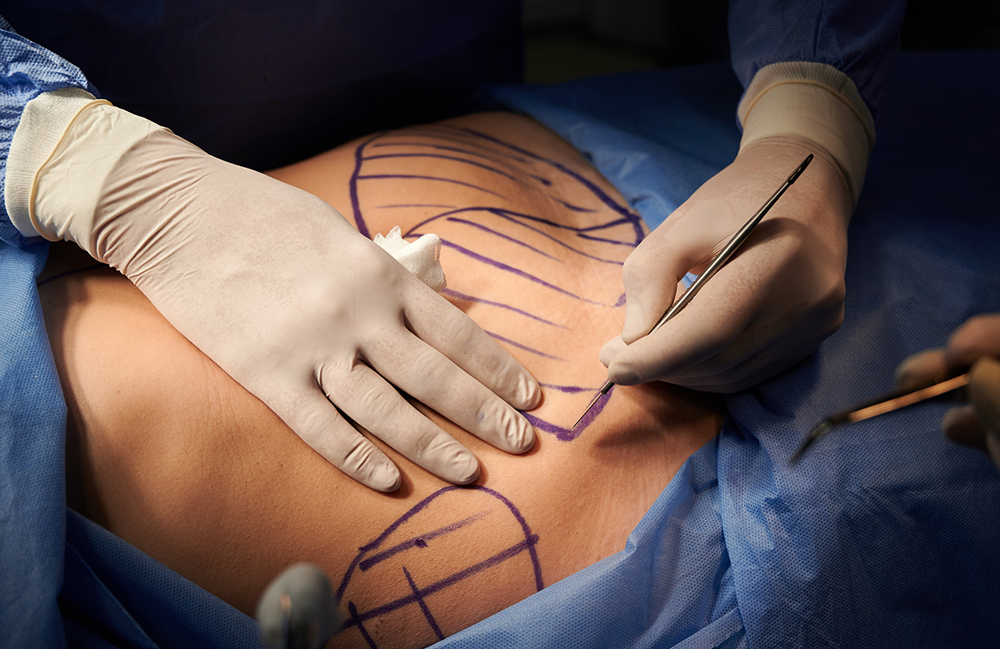
Tummy tuck procedures are typically performed on an outpatient basis. The surgery involves making a horizontal incision along the pubic hairline and another in the belly button, through which excess skin and fat are removed, and weakened abdominal muscles are repaired. In some cases, another incision around the navel may be necessary to remove upper abdominal skin. The remaining skin is then stretched down, and a new opening for the belly button is created. The incisions are closed with sutures, and the area is bandaged.
Patient Reviews
“Everytime I come in the office I am met with smiles and warm greetings. My experiences with the facials by Candyce are perfect. The results are exactly as described. My tummy tuck by Dr. Leverett is simply perfect! I could not ask for more from either of them.” – Lee F.
What Do Tummy Tuck Scars Look Like?
A tummy tuck leaves a horizontal scar across the lower abdomen, but Dr. Leverett positions the incision in an area that is hidden by underwear and related garments. Most tummy tuck patients typically agree that the appearance of the abdomen after surgery is well worth the scar. Dr. Leverett has done extensive work with post-surgical scar management to ensure that your scarring is minimal. For example, he uses dissolvable sutures and provides post-surgical scar management protocols for various skin types.
How Long is Tummy Tuck Surgery?
Tummy tuck surgery typically lasts 2 to 5 hours, depending on the extent of the procedure and whether additional procedures, such as liposuction, are performed simultaneously.
What is Tummy Tuck Recovery Like?
How Long is the Recovery From A Tummy Tuck?
Patients will need to wear surgical compression garments during the recovery period as advised by Dr. Leverett. These help to minimize swelling and provide support while the body heals. Patients may also have drainage tubes inserted under the skin to alleviate any fluid accumulation near the incision sites. Dr. Leverett will remove these a week or two following surgery. Most patients are up and walking around the day after surgery to use the restroom but due to the muscle tightening, they will find themselves slightly hunched over for approximately five days. You will be provided with medications prior to your surgery to have at home. Pain medication, muscle relaxers, antibiotics, anti-nausea medication, and Lovenox® are given to patients to assist in their post-surgical care. Most patients return to work within two to three weeks depending on the physical requirements of their job. Six to eight weeks post-surgery many patients have returned to their regular exercise routine. This means that most patients reach a full recovery in three to six months.

Exparel®: A Non-Opioid Option for Your Recovery
A tummy tuck involves repairing the abdominal muscle wall, and patients understandably want to know what the first few days will feel like and what they will need to take for it.
Dr. Leverett uses Exparel® as part of his approach to post-operative comfort. Exparel is a long-acting local anesthetic administered directly into the surgical site during your procedure. It is a single dose, given while you are still in the operating room, and it releases numbing medication gradually over the first several days of recovery, the window when discomfort is typically at its highest.
In the studies supporting its FDA approval, Exparel provided post-surgical pain relief for up to 72 hours. For many patients that means a more comfortable first few days and a reduced need for prescription opioid pain medication.
That last point matters. Opioid medications carry real risks, including nausea, constipation, grogginess, and the potential for dependence. Reducing how much a patient needs, or avoiding them entirely, is one of the more meaningful advances in surgical recovery in recent years.
Individual results vary. Dr. Leverett will discuss your specific pain management plan during your consultation, including whether Exparel is appropriate for your procedure and medical history.
Post Surgery Frequently Asked Questions
How Painful Is Tummy Tuck Recovery?
Recovery from a tummy tuck involves a period of discomfort that is most pronounced during the initial days following the procedure. The level of discomfort experienced can vary widely among individuals, but patients typically describe the pain as a strong tightness or soreness across the abdomen, reflecting the muscle repair and the skin being stretched. It’s important for patients to follow the pain management plan prescribed by Dr. Leverett closely, taking medications as directed to stay ahead of the pain. Other strategies such as gentle walking can also aid in reducing discomfort and preventing blood clots. Patients are encouraged to move around as soon as possible, within the limits of their pain and Dr. Leverett’s advice, to facilitate healing and reduce the risk of complications.
How Much Weight Can You Lose with a Tummy Tuck?
While a tummy tuck does result in the removal of excess skin and fat from the abdominal area, it’s essential to understand that it is primarily a contouring procedure rather than a weight-loss surgery. The amount of weight lost immediately after surgery is typically small, ranging from about 3 to 10 pounds, depending on the amount of excess skin and fat removed. The primary goal of a tummy tuck is not weight loss, but to create a firmer, flatter abdominal profile. The procedure can significantly enhance the appearance and shape of the abdomen, leading to a more proportional and aesthetically pleasing body contour.
If you are a resident of Ahwatukee, Chandler, Glendale, Maricopa County, Mesa, Scottsdale, Tempe, Gilbert or the surrounding areas of Phoenix, and you’re looking for a way to firm and enhance the contours of your stomach, consider a tummy tuck from board-certified plastic surgeon Dr. Larry C. Leverett. Contact us today!
